
Recherche

Localisation
Chambres
Budget
Superficie du terrain
Distance centre ville
Autres
Autres

Care Home Accommodation Costs & Assisted Living: A Guide for Families

Care Home Accommodation Costs & Assisted Living: A Guide for Families

Researching care options for a loved one often means navigating a confusing mix of terms — accommodation at a care home, assisted living housing for disabled adults, and care home accommodation costs all sound related, but each describes something quite different. Getting clear on what each one actually involves makes it far easier to find the right option and budget for it accurately.

This guide explains what's included in care home accommodation, how assisted living housing differs, and what drives the cost of each.

What's Included in Accommodation at a Care Home?

Accommodation at a care home typically refers to the entire living and care package a resident receives, not just the physical room. This generally includes:

  • A private or shared bedroom, sometimes with en-suite facilities
  • All meals, snacks, and refreshments
  • Personal care support — washing, dressing, medication, mobility
  • Housekeeping and laundry
  • Access to communal lounges, dining areas, and gardens
  • 24-hour staff on duty

What's Usually Charged Separately

  • Hairdressing and chiropody
  • Personal shopping or newspapers
  • Trips out or special events
  • Private telephone or TV line, in some homes

Always request a full written list of what's included before committing to any care home, so there are no surprises later.

What Is Assisted Living Housing for Disabled Adults?

Assisted living housing for disabled adults is a different model from a traditional care home. Rather than moving into a shared facility, residents typically live in their own self-contained, accessible accommodation, with support available as needed. This can include:

  • Step-free, wheelchair-accessible design
  • Adapted bathrooms and kitchens
  • On-site or visiting support staff for personal care or daily tasks
  • A greater degree of independence and privacy than a care home setting
  • Community spaces shared with other residents, in some schemes

Who Assisted Living Housing Is Suited To

Assisted living is often a good fit for adults who:

  • Have a physical disability but don't require constant supervision
  • Want their own front door and independence
  • Need some support with daily tasks, but not full-time personal care
  • Are transitioning from family care toward more independent living

How Assisted Living Differs from a Care Home

Factor Assisted Living Housing Care Home
Own front door Yes No (shared facility)
Level of independence High Lower, more supervised
Support available On-site or visiting, as needed 24/7 built-in
Best suited to Adults needing some support, valuing independence Those needing consistent daily supervision

Understanding Care Home Accommodation Costs

Care home accommodation costs are usually charged as a single weekly fee, but the amount varies considerably depending on a few key factors.

What Affects the Cost

  1. Location — homes in higher-demand areas typically cost more than those in smaller towns
  2. Room type — en-suite or larger private rooms cost more than standard or shared rooms
  3. Level of care needed — residential care is generally less expensive than nursing care
  4. Facilities — homes with specialist units or higher staff ratios may charge more

What's Usually Included in the Weekly Fee

  • Accommodation
  • Meals and refreshments
  • Personal care support
  • Housekeeping and laundry
  • Use of communal facilities and activities

Comparing Costs Fairly

When comparing care home accommodation costs between different homes, ask for the same information from each:

  • The full weekly fee and what room type it includes
  • A clear list of what's included and what's charged separately
  • How often fees are reviewed, and what notice you'd receive before an increase
  • Whether a deposit is required, and if it's refundable

How Assisted Living Costs Differ from Care Home Costs

Unlike a single all-inclusive care home fee, assisted living housing for disabled adults is often structured differently:

  • Rent or purchase cost for the accommodation itself
  • A service charge covering communal facilities or building maintenance
  • Separate care costs, based on an individual support plan
  • Potential eligibility for disability-specific funding routes, which can differ from older-adult care funding

Because the cost structure is unbundled rather than a single fee, it's worth requesting a full breakdown covering all three elements separately when comparing schemes.

Funding Options Worth Knowing About

Across both care homes and assisted living housing, families typically explore:

  • Self-funding — using savings, pension income, or property proceeds
  • Local authority funding — following a care needs assessment and means test
  • NHS Continuing Healthcare — for those with significant ongoing health needs
  • Disability-specific local authority budgets — relevant for assisted living and supported housing, which may differ from older-adult care funding routes

It's worth asking any provider directly which funding routes may apply to your specific situation, as eligibility criteria can vary between councils.

Choosing the Right Option

If you're trying to decide between accommodation at a care home and assisted living housing, a few honest questions can help:

  1. Does the person need consistent daily supervision, or occasional support with specific tasks?
  2. Would they prefer their own front door and independence, or the company and structure of a care home?
  3. What does a realistic budget look like, once all costs — rent, service charges, and care — are accounted for?
  4. Is the need primarily age-related, or disability-related? This can affect which funding routes are available.

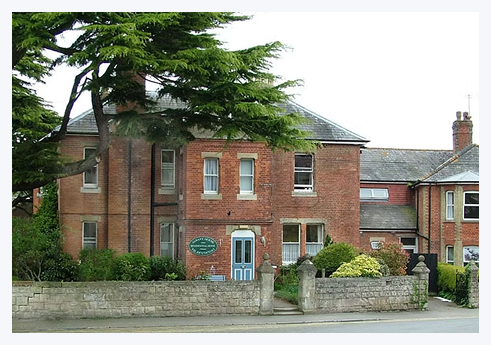
For families in Wiltshire specifically researching residential care accommodation, Albany House in Tisbury offers 24-hour residential care between Salisbury and Shaftesbury, with a clear, honest breakdown of accommodation costs provided before any decision is made.

Frequently Asked Questions

What's the difference between a care home and assisted living housing?

A care home provides shared accommodation with built-in 24-hour support. Assisted living housing gives residents their own self-contained, accessible home, with support available as needed rather than constant supervision.

Are care home accommodation costs all-inclusive?

Most care homes charge a single weekly fee covering accommodation, meals, and personal care, though some items like hairdressing or chiropody are often charged separately — always confirm what's included.

Is assisted living only for older adults?

No. Assisted living housing for disabled adults is commonly used by younger adults with physical or learning disabilities, as well as older people, and funding routes can differ depending on the underlying need.

How can I compare costs fairly between different options?

Ask for a full, written breakdown from each provider — whether a care home's single weekly fee, or assisted living's separate rent, service charge, and care costs — so you're comparing the true total cost in each case.

Can someone move from assisted living into a care home later?

Yes. Many people start in assisted living housing and move into residential or nursing care later if their support needs increase significantly over time.

This guide is provided as general information for families researching care home accommodation, accommodation costs, and assisted living housing options.